
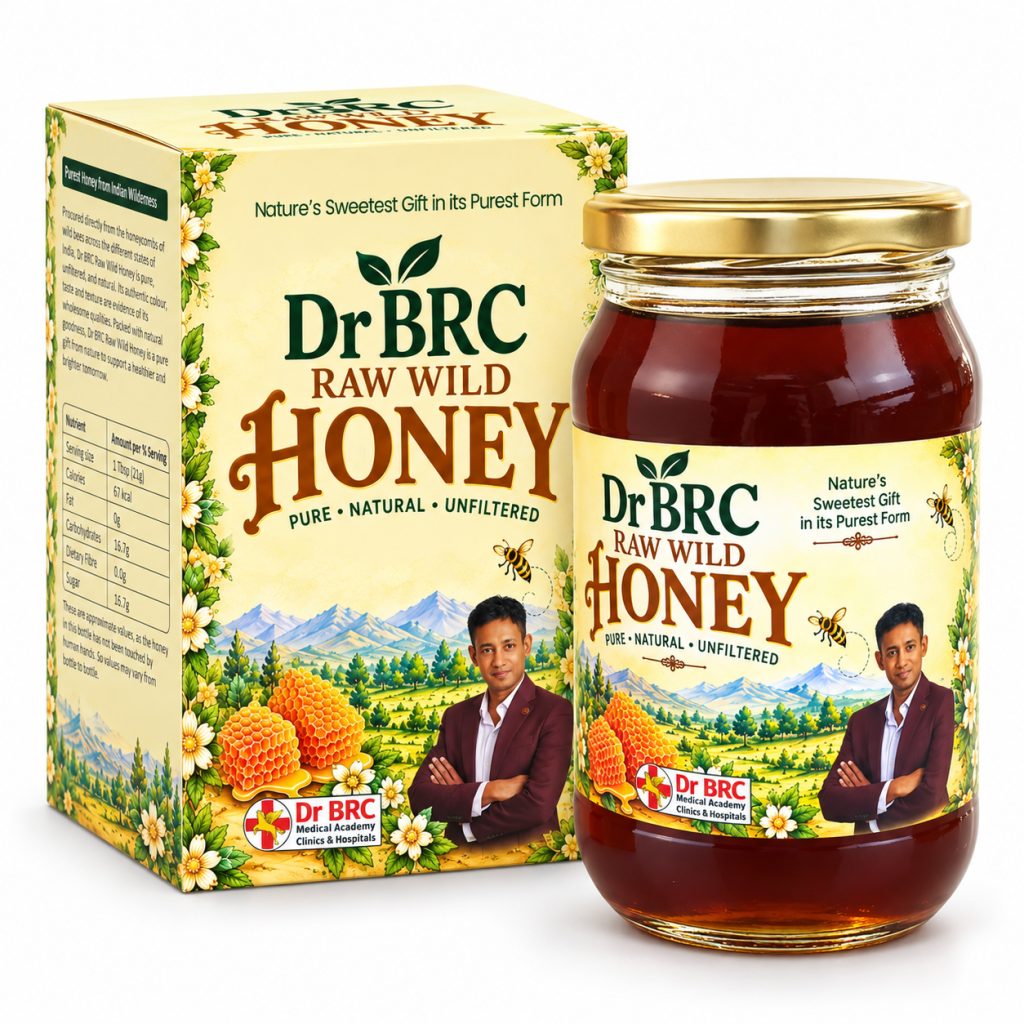
Dr BRC Raw Wild Honey
Purest Honey from Indian Wilderness
Procured directly from the honeycombs of wild bees across the different states of India, Dr BRC Raw Wild Honey is pure, unfiltered, and natural. Its authentic colour, taste and texture are evidence of its wholesome qualities. Packed with natural goodness, Dr BRC Raw Wild Honey is a pure gift from nature to support a healthier and brighter tomorrow.
Net Weight: 500gm
Research Papers:
Report:
The world’s oldest medicine, made by God. Human beings have used honey since the time of early man. This medicine is made by nature — the immortal honey.
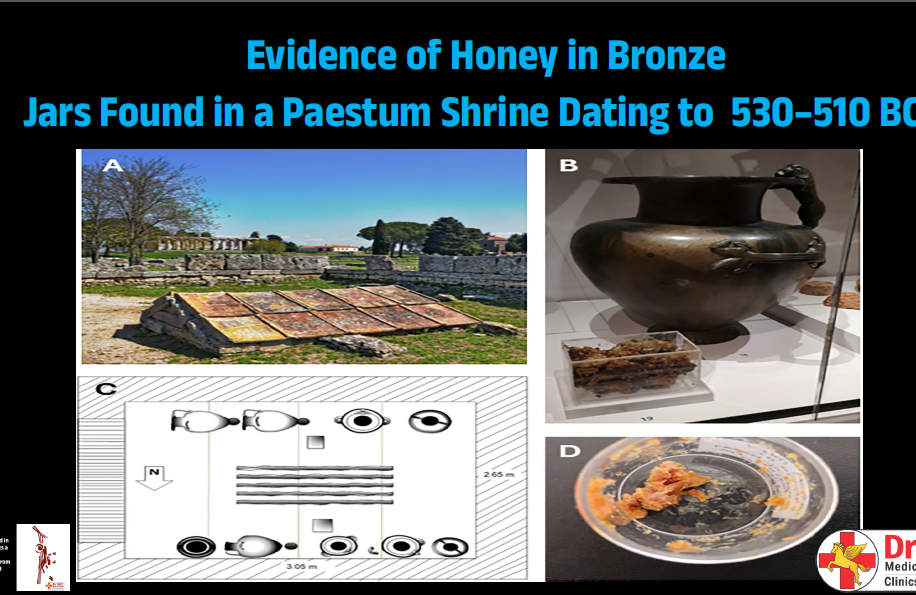
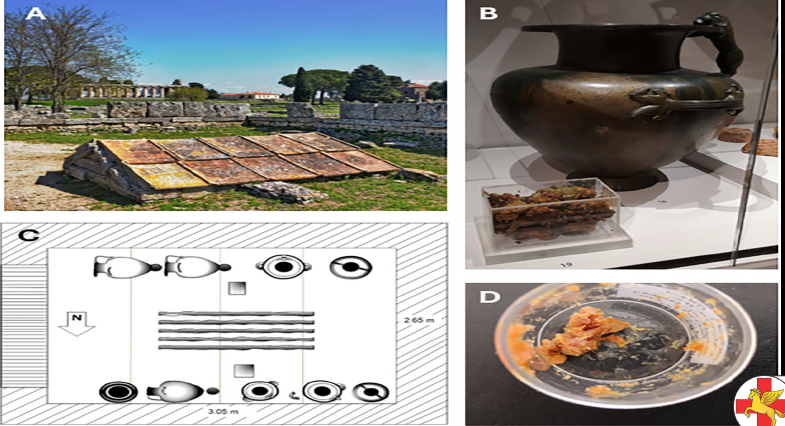
“Immortal” means that honey is eternal. Here, immortal means that it never spoils. There is much evidence to validate this claim. This is a small bronze pot, found by archaeologists during an excavation that dated back to 2,500 years ago. There was honey inside it. The honey was taken out, and even 2,500 years later, it was fit for consumption.
It won’t be wrong to claim that honey, शहद, or मधु is a wonder created by nature. Having learned of its many properties, you will reach only one conclusion. If you had to keep just one medicine in your home, the name of that medicine is honey.
For every kind of problem we can imagine, you will see the fastest, safest, evidence-based solutions as you read ahead. There are also some experiments, the results of which will astound you.
Taking a brief look at history, photographs and figures have been found in caves from about 10,000 years ago. These prove that, as early as 10,000 years ago, humankind was using honey.

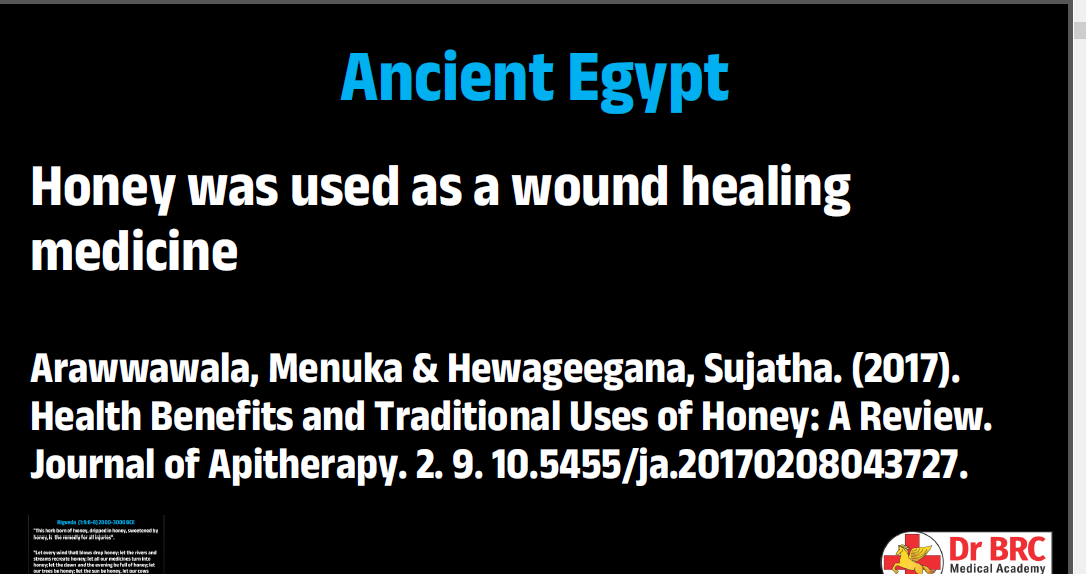
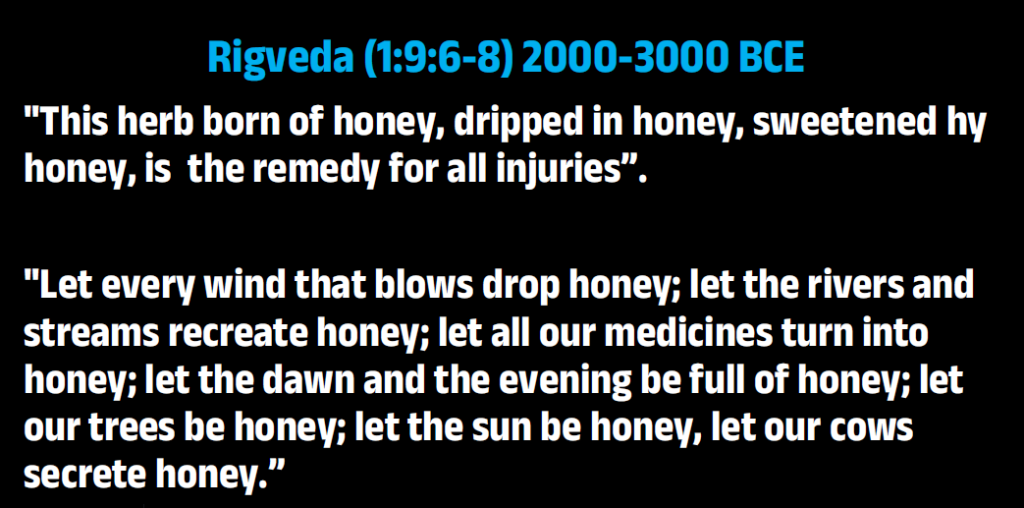
This is evidence-based, as you can see here (Attach PPT link here). In ancient Egypt, honey was used for wound healing. If honey was applied to a wound there, it would heal. And not only in Egypt: the Rigveda, written about 4,000 years ago, also states that honey applied to any kind of injury will heal it.
In the Quran, “Al-Nahl” means the honey bee, the madhumakkhi. It is written here that Allah commanded the bee: build your hive everywhere. Build it in the mountains, build it in houses, build it in the forests, build it everywhere.

This is because it is a medicine that ought to be available everywhere.
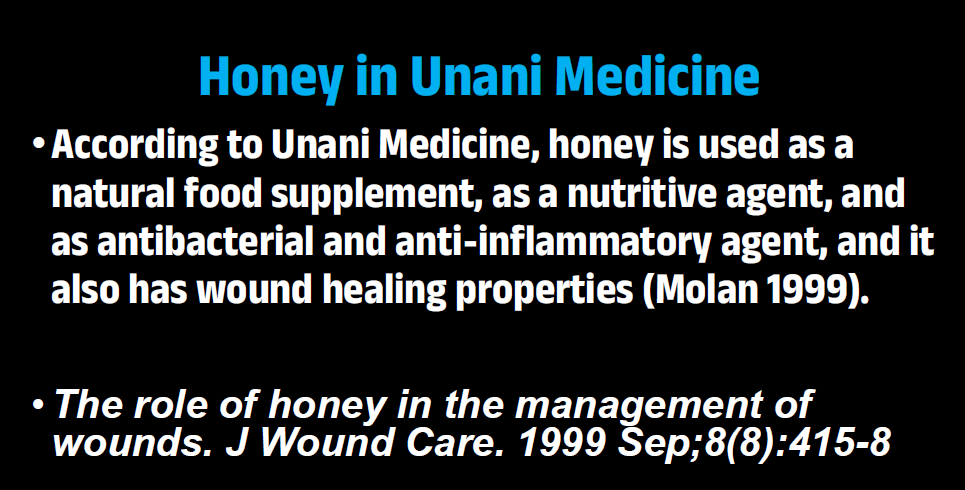
Christianity likewise holds, and it is written, that honey is a very good thing for health. It is also mentioned in Unani medicine as an anti-inflammatory and an antibiotic. In Ayurveda, there are references upon references. Whether it is cough, injury, or a digestive issue, honey has a special use everywhere.

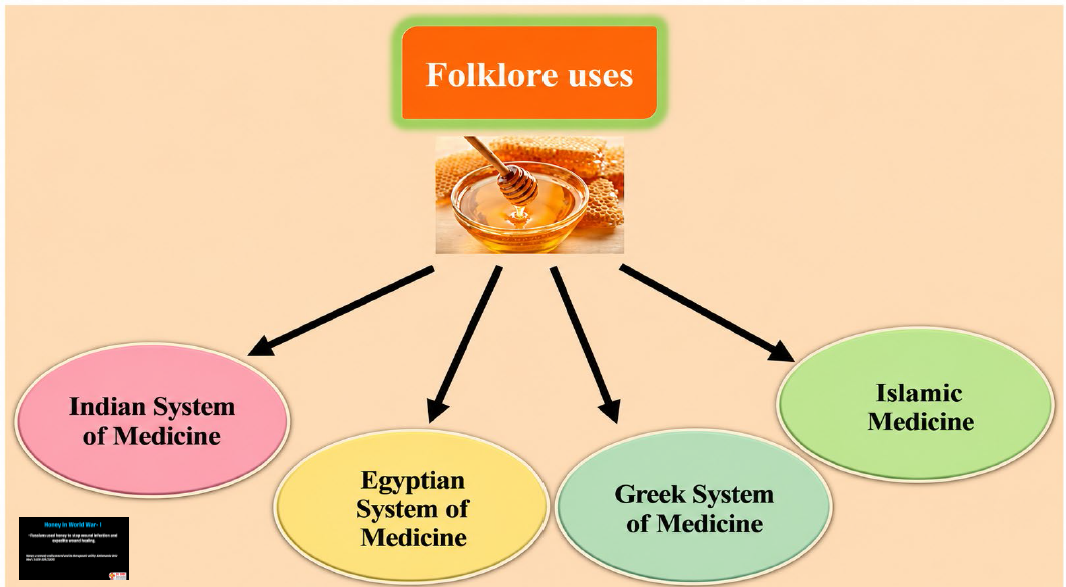
In other words, from 10,000 years ago to our ancient scriptures, whether it is the Indian, Egyptian, Greek, or Islamic system of medicine, honey is mentioned abundantly everywhere.
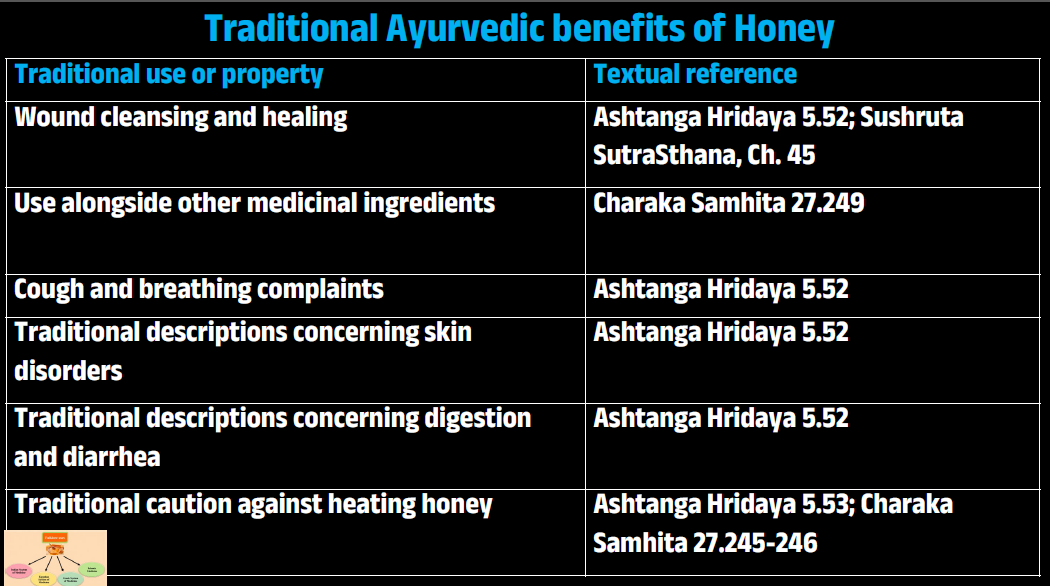
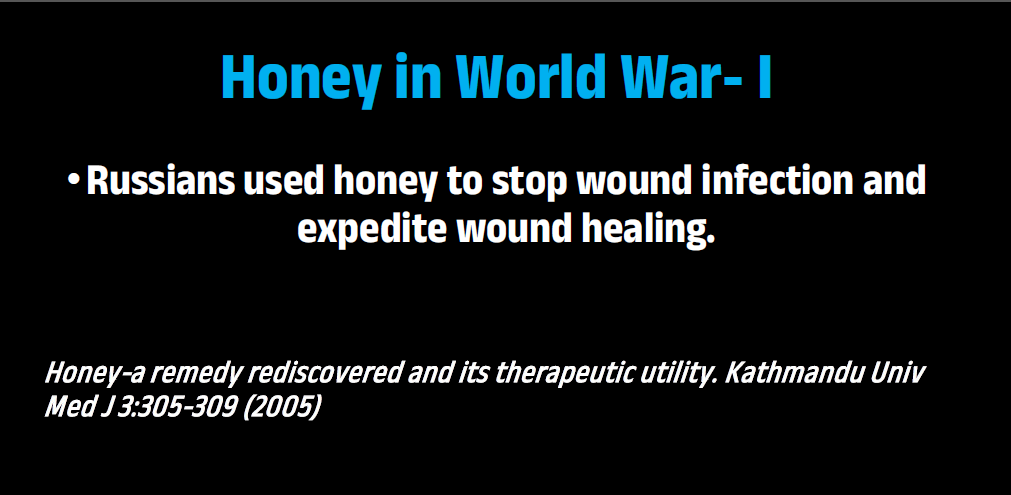
Everywhere we find similar descriptions about honey. It is written everywhere that it is used for wounds, aids digestion, and reduces tumorous growth. Even up to the First World War, that is, 1918, injured soldiers were treated with honey to heal their injuries. This is no longer the case.
No one speaks of it now. No one can even imagine applying honey to a wound that is discharging a great deal of pus. If you ask an Ayurvedic doctor, even he will not tell you. Yet the truth is that, until 1920, this was the primary medicine.
From 10,000 years ago until 1920, honey has been used as a medical aid across the different societies of the world. What happened after 1920 that honey as a medicine vanished from the entire world? People may still use honey in some minor home remedies. But the idea that “honey can truly cure anything” has disappeared.
You will not now see honey on doctors’ shelves alongside medicines, even if it is an Ayurvedic doctor. No one thinks, “If I fall gravely ill, my fastest medicine is honey.” Nor does anyone think of applying honey to a burn so that it heals quickly. That idea has now been abandoned.
The reason is that, after 1920, and by about 1930, the age of antibiotics had arrived. The invention of antibiotics began. Antibiotics are drugs that fight bacteria and kill them. When these drugs arrived, they came forward claiming that they would cure everything, and honey was left behind. The medicines took their place.
Antibiotics had spread out everywhere, and they also began to treat illness. But here lies a very interesting point. It is a law of nature, a marvel. An antibiotic is the enemy of bacteria. When humanity made medicines against bacteria, viruses, fungi, and every kind of microorganism, if all of them were to die from that medicine, then, to keep themselves alive, every kind of germ has within it the power to mutate itself. Mutation is very simple to understand: changing one’s own structure in self-defence, so that the weapon cannot kill the germ.
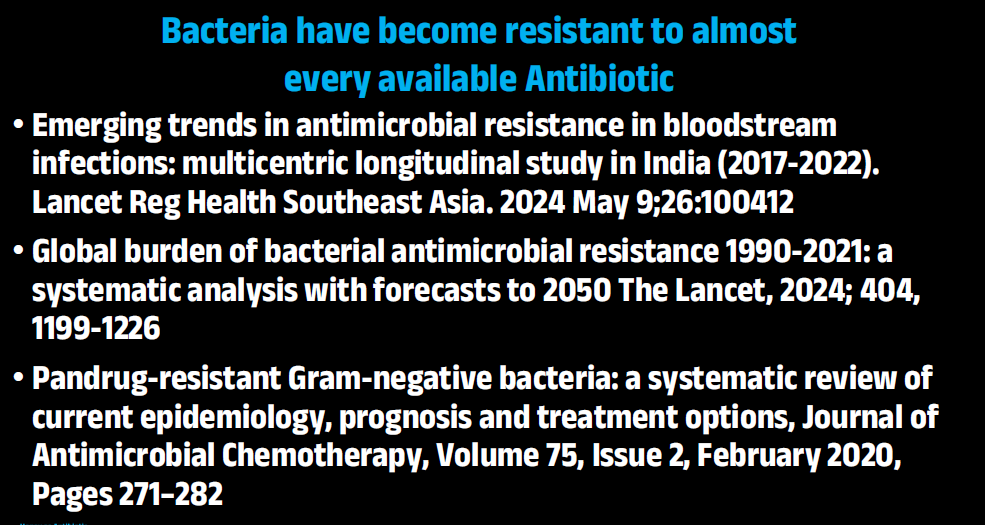
For example, suppose you see a bear. You aim your gun at it, intending to shoot the bear down. But by the time you have aimed, the bear has mutated into a mosquito. The gun you picked up to kill the bear will not kill a mosquito. When the mosquito appears, you pick up a weapon for mosquitoes: an electric racket. By then, the mosquito has turned into an elephant. A racket will not kill an elephant. This is what is called mutation. It means that your weapon has been rendered ineffective.
Bacteria, too, are highly intelligent. They went on mutating over time. As of today, all the antibiotics in the world have become obsolete. That is, they no longer work and have been rendered useless.
If you go to a doctor today and he prescribes an antibiotic, you can tell them that they no longer work. If I must kill a bear and you hand me a racket, it will not work. If I must kill an elephant and you hand me a catapult, that will not work either. This is because what was a bird earlier has become an elephant. What was an elephant earlier has become a mosquito.
Doctors know, and now you know, that of all the antibiotics in the world, all of them are ineffective against all the bacteria.
The bacteria now emerging in the world are called drug-resistant bacteria. That is, all the available medicines have become ineffective against them. Yet when you take that antibiotic on a doctor’s advice, its side effects, which are considerably severe, will affect your body.
On the one hand, the antibiotic is not helping your body; it is not killing the bacteria, while simultaneously harming your body. This is the situation in which all of us in the world find ourselves today.
So what should we do in such circumstances? To fight any bacterium, virus, or fungus, the time has come to remember the world’s oldest weapon, the oldest medicine—honey. This honey can kill bacteria even today. This is because, as bacteria mutate, the honey bee is likewise causing its honey to mutate. It continues to upgrade itself. That is why honey is just as effective today as it was 10,000 years ago.
These are not idle claims, as there is ample supporting evidence (attach the honey-based research papers document here) to support them.
In reality, all the bacteria that have become drug-resistant did so before the year 2000. That means that if you have taken antibiotics in the past 20 to 25 years, they were not effective at all.
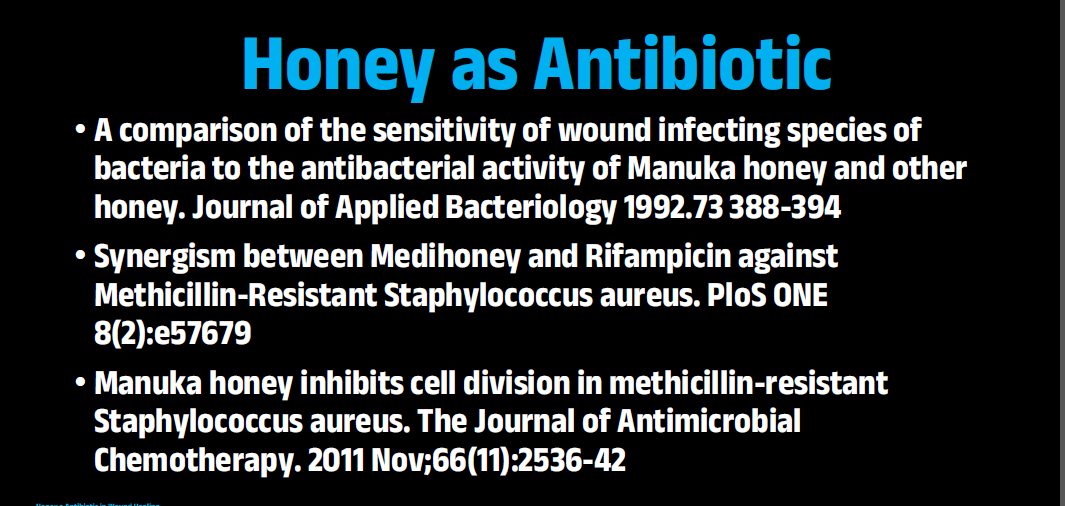
For example, this research paper is from 2011. It proves that honey today is just as effective against bacteria as it probably was 10,000 years ago. This is because the honey bees that make honey are also highly intelligent beings.
While making honey, honeybees ensure that it is produced in such a way that no bacteria can attack it. This is because if bacteria attacked it, it would rot. If honey is genuine, it will never rot, even today or even thousands of years from now. This is because no bacterium or virus can grow in it; in the environment of honey, they would die.
Even today, if there is a wound or an injury, and you can apply a layer of honey on it like a medicine, it will heal at a rapid speed, faster than any available drug on earth
Suppose you have an emergency room at a super-speciality hospital, and on the other side sits honey. Then go to the honey if you wish to recover quickly and without much difficulty. Modern medicine has many research papers on this, like the ones mentioned below.
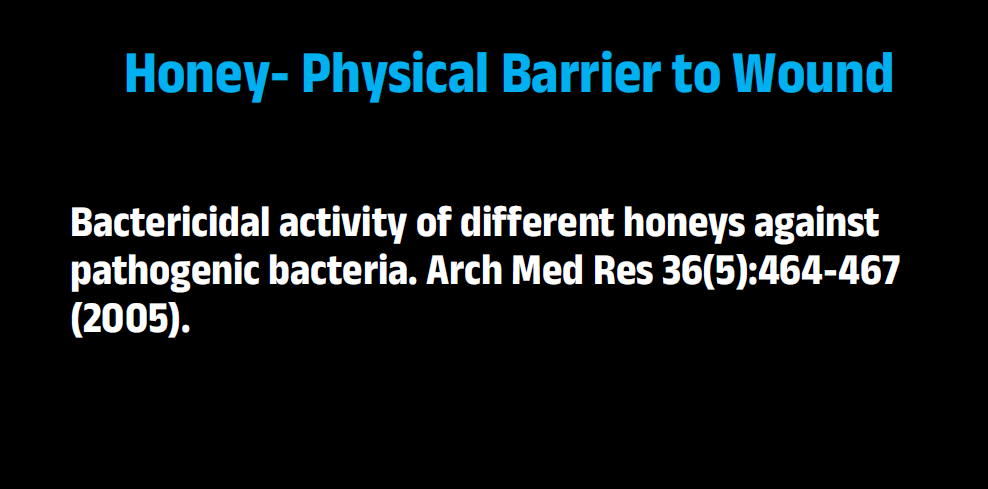
According to this paper, as soon as you apply a layer of honey to a wound, it becomes a physical barrier. It stands between the outside environment and the inside environment. Bacteria, fungi, and viruses attack from the outside environment, and this is why the wound does not heal. The body is trying to heal itself, but an attack is also continuing from outside, so the wound will never heal effectively.
So the first thing honey does is act as a physical barrier to keep out the attacking bacteria of the outside world. As you can see in the 2005 research paper.
This is not the only thing it does. It acts as an antimicrobial and also as an anti-inflammatory. Only when inflammation heals will your wound heal. Honey also promotes angiogenesis.
Angiogenesis means that, in the case of a wound where the injury is severe, so much so that even bone is visible, honey will form new blood vessels there. These new blood vessels will form a new layer. Honey also helps remove the dead cells that have died because of the injury.
It increases blood circulation and brings blood to the wound tissue. This also supports the formation of new tissue. As for the mechanism by which honey heals any kind of wound, here are the reference papers.

In these research papers, you can see exactly how the benefit occurs. Here is a wound; you can compare its condition one month after honey was applied.
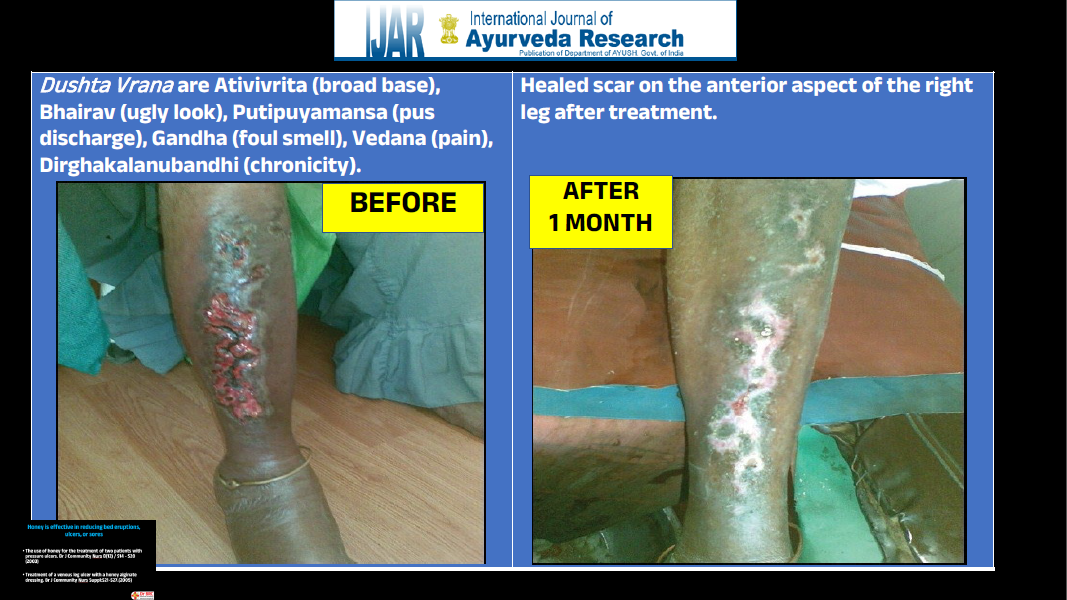
This will give you an idea of how serious the matter is. What was not healing at all was healed by applying honey.
Similarly, this research paper is from 2003. According to it, honey is quite effective in bedsores and ulcers.
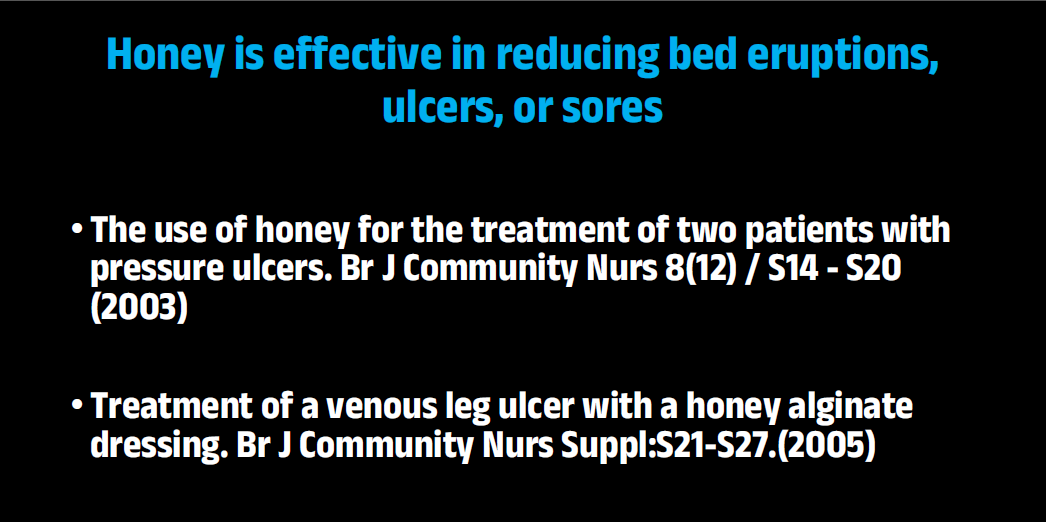
According to these research papers, honey works for any external wound or bleeding. For example, take a breast cancer patient with a wound in the breast, discharging pus, which is causing pain and discomfort to the patient. Honey can be applied to such wounds.
In the case of a gangrene patient, or a patient with diabetic neuropathy, whose foot has to be amputated or is on the verge of amputation, the cells have died, sensation in the foot is lost, the cells have turned black, and the wound emits a foul odour. In such a condition, when honey is applied, healing begins.
The most important and fascinating fact about raw wild honey is that it not only heals quickly but is also economical. Compared with the standard treatment in hospitals today, it is cheaper and heals faster. Whether it is a wound or a first-, second-, or third-degree burn on the skin.
A first-degree burn means that only the top layer of the skin has been burned. A second-degree burn means that the inner layer has also been burned. A third-degree burn means that tissue damage extends even deeper because of the burn. In such cases, if honey is applied like a medicine, it heals.
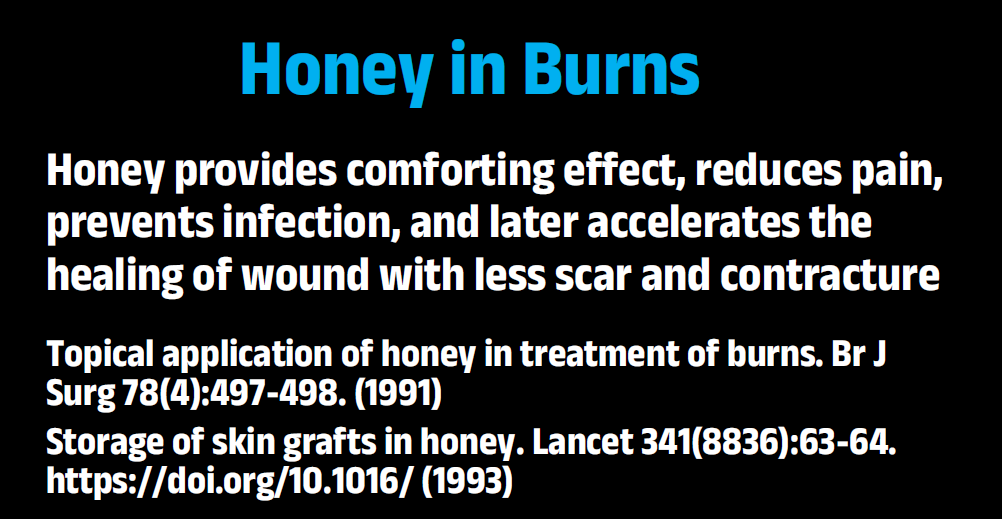
You can read more about this in these research papers. The evidence from modern medicine was already known in Ayurveda, Unani, and Egyptian systems, but people do not accept it as proof. So this is evidence from modern medicine itself.
Furthermore, for any skin disease, such as ringworm, that is, a fungal infection, recovery with honey is also very, very fast.
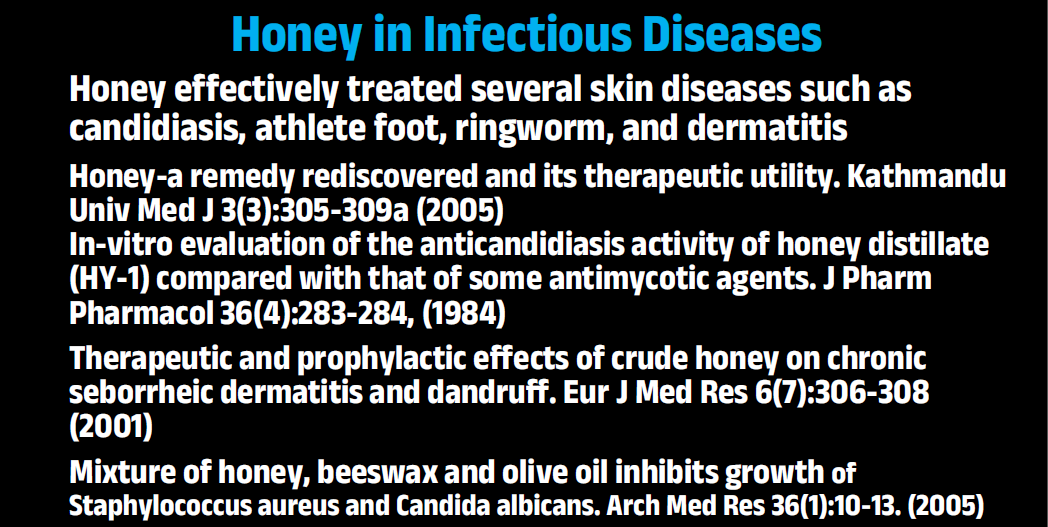
Here are the references from 2005, 1994, and 2001, and this one is again from 2005, which support all the claims made till now. There is a wealth of evidence for this across the world. Even today, thousands of patients recover in exactly this manner.
So far, we have discussed any wound on the outside of the body, whether caused by a burn, an injury or an accident, by cancer, or whether foot neuropathy or gangrene has developed because of diabetes. As an external application, honey is the most powerful, the most economical, and the fastest. Even against today’s modern medicines, it remains the fastest.
Now let us focus on the inside of the body. Suppose someone has a tumour inside the body. Or someone has cancer, such as blood cancer, and the person appears healthy from the outside. In such cases, this research paper states that honey acts to kill cancerous cells inside the body.
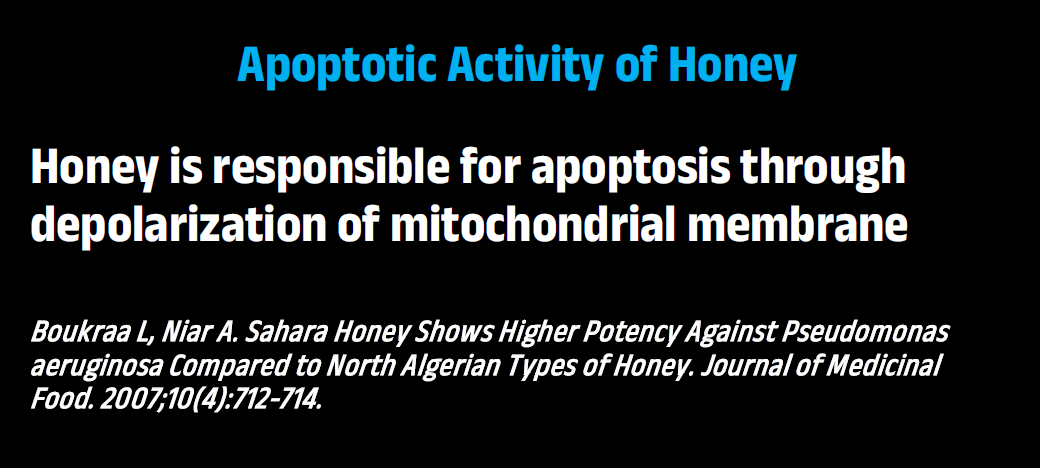
First, let us establish where it is beneficial, and then how to use it at home. If such a patient is near you, then you need to know how you can help them.
Honey works in treating cancer.
Whether the tumourous growth inside the body is in the colon, kidney, liver, or prostate, or is blood cancer itself, there are separate research papers for each of these cancers. They repeatedly demonstrate that after using honey, the tumour begins to shrink, the patient’s symptoms begin to subside, the pain lessens, and they begin to recover.
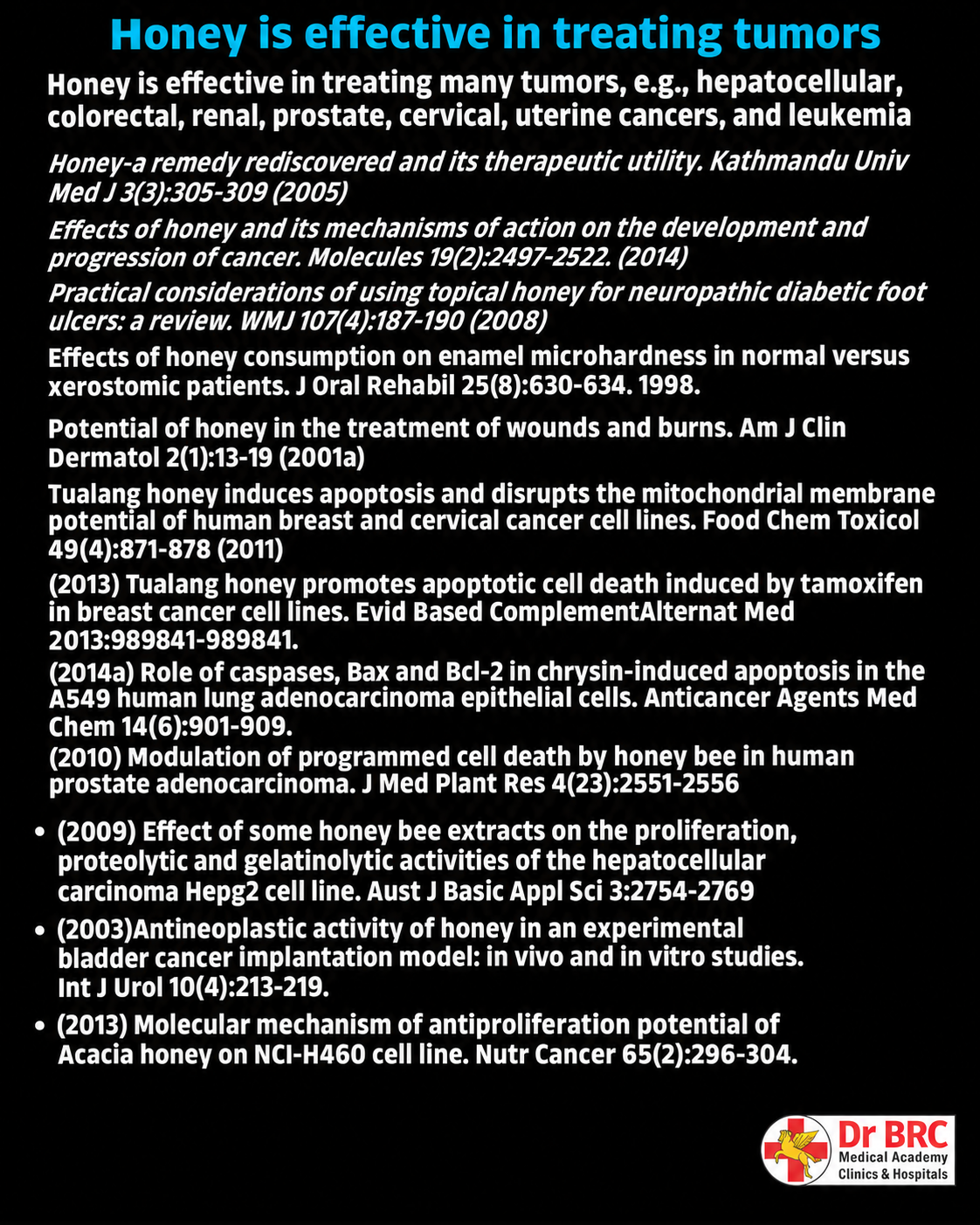
There is an abundance of such papers, repeatedly demonstrating that a cancer patient should have one medicine. Only one medicine, and that is honey: raw honey, pure honey.
Honey cures Diabetes
You might find it extremely shocking, and find it extremely hard to believe that honey can, in fact, cure diabetes. We know that you might find it hard to digest this fact, and why would you not? Since childhood you have been fed upon propagandic lies. Everyone around you told you that honey would raise a diabetic patient’s blood sugar. Everyone told you the same thing, and now it is fixed in your psyche.
Whereas in reality, if a diabetic patient begins taking honey in the morning, afternoon, and evening, they cannot remain a diabetic patient for long. It is a remarkable claim, is it not? Since a claim, so it shall be proved. Let us understand how honey works on your blood sugar.
I made a claim about 10 years ago — mango cures diabetes. Sweet fruits cure diabetes. Even then, people found it very shocking. Back then, several channels, such as ABP News, the Times of India, and even the BBC, criticised it heavily, saying that such comments are misleading and inciting people, and will get them killed. It was also said that no one should listen to Dr. BRC, and that he should be in jail.
But 10 years down the line, people have understood the point. Now no one says that mangoes or fruits should not be eaten in diabetes. Patients are now aware.
Doctors are also now aware that sweet fruits cure diabetes and do not worsen the illness. If you eat dates, your diabetes will improve; your sugar will not rise further.
This exact same reason applies to honey. The major component of honey, about 40 per cent, is fructose. Fructose is a sugar, like glucose. The sweetness of fructose is two to three times that of sugar, that is, glucose.
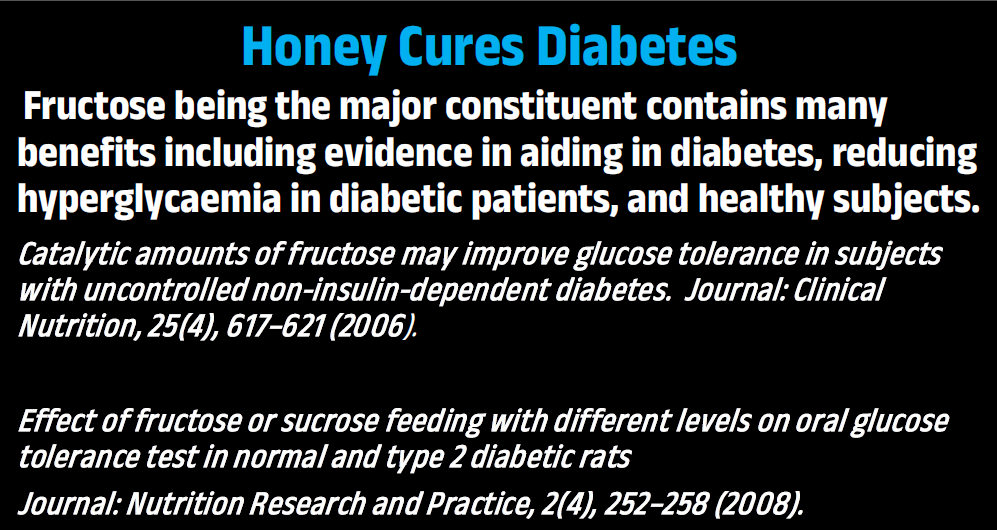
But fructose has an interesting quality. When fructose enters the stomach, God has not given it the ability to dissolve into the blood. Fructose can never dissolve into the blood. So where does the sweetness of honey come from? Forty per cent of its content is fructose.
Does fructose dissolve into the blood? No, it does not. And when fructose does not enter the blood, it cannot raise blood sugar. That is why we say “blood glucose has risen.“
No one says “blood fructose has risen.” Fructose cannot enter the blood at all.
But then where does fructose go?
It remains in the intestine for a short while. Then it goes to the liver and energises the pancreas, so that the pancreas produces more insulin. As a result, the glucose in honey also enters the blood slowly. The pancreas becomes sensitised and begins to produce more insulin. Ultimately, that person’s blood sugar remains normal. Or, if it was previously high, it begins to improve gradually once he starts taking honey.
When we say gradually or quickly, we mean a time period of one to two weeks.
What does honey do?
To begin with, it increases the secretion and production of insulin by the pancreas. When more insulin is produced in the body, blood sugar remains normal.
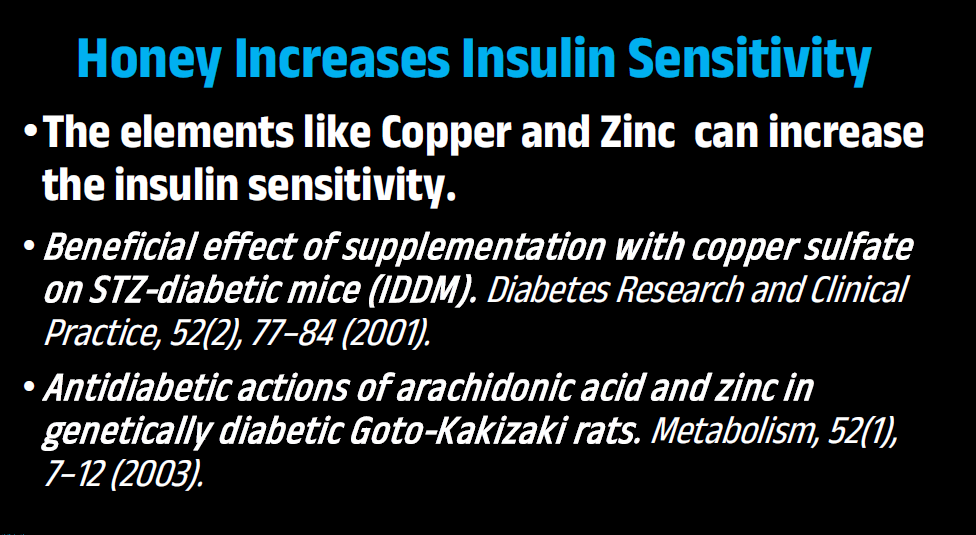
A second interesting fact about honey is that it contains copper and zinc, which also make your body insulin-sensitive. That is, the body can manage even with a little insulin. In this way, it works in two ways.
To understand the complete mechanism, please see this research paper, which is from 2018.
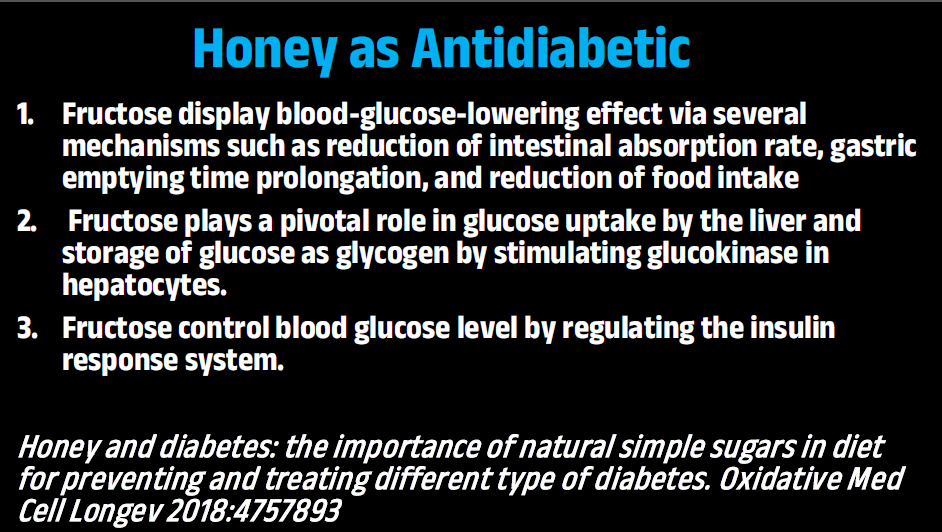
It will show you that fructose controls the insulin response system, and that this controls blood sugar. In this way, honey acts as a medicine for diabetic patients. This applies especially to type 1 diabetes patients, that is, young children who are insulin-dependent.
Young children want to eat sweets, and on doctors’ advice they are kept away from sweet things. They are kept away even from honey, because it too is sweet. However, this research paper, which is from 2013, shows that if an insulin-dependent young child with Type 1 Diabetes is given honey every day, their blood sugar can become normal.
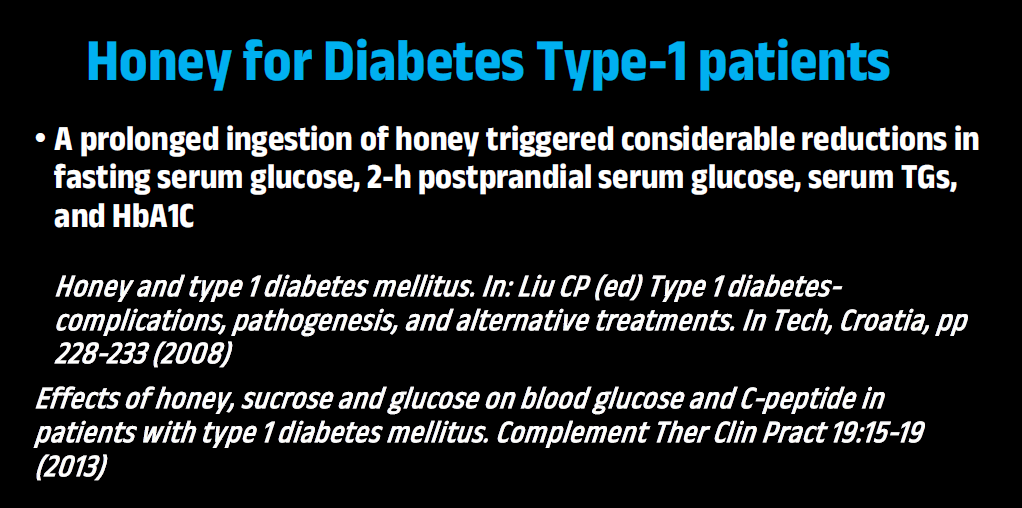
They can recover with time, and insulin administration can be discontinued. If this crucial piece of information reaches the parents of such children, then there is a chance that their children could spend the rest of their lives without insulin.
This simple kitchen ingredient can solve their child’s ailment so easily when they are moving from one doctor to another. Just a spoon of honey three times a day, and their child can live a normal life. Moreover, the child’s urge to eat something sweet is also satiated through honey.
How does Honey function inside your body?
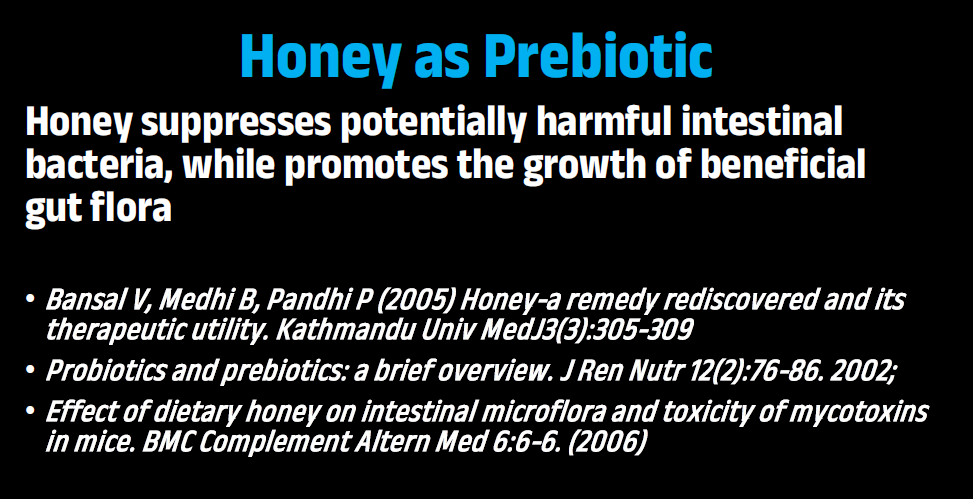
When someone eats honey, it begins working as a prebiotic. The meaning of prebiotic is quite plain: food that the good bacteria in your stomach require. This simply means that honey increases the population of good bacteria in your stomach.
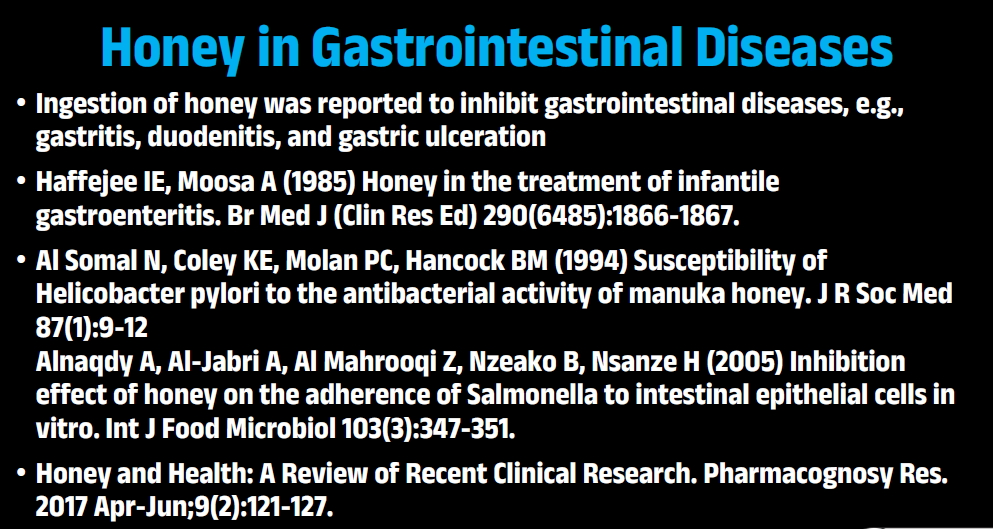
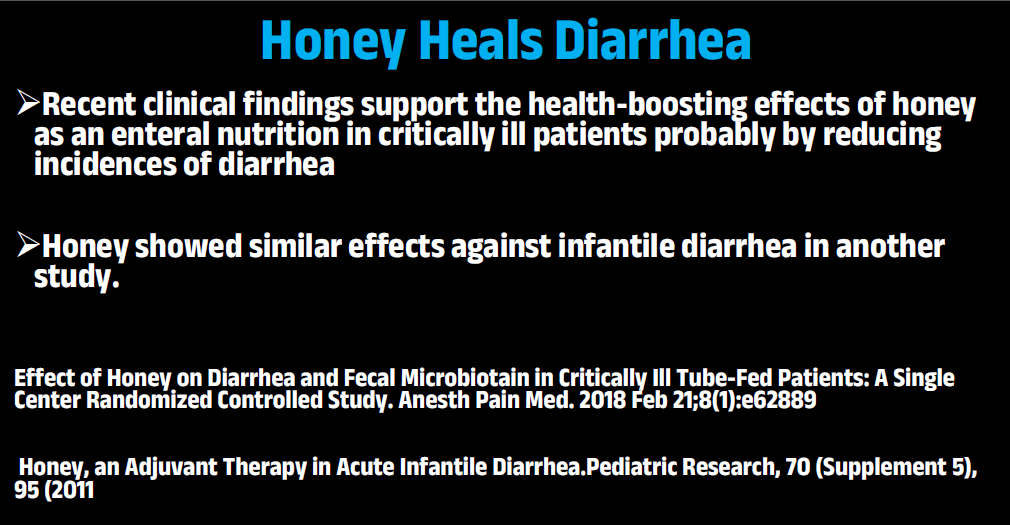
When good bacteria increase in your stomach, many of the body’s problems are resolved, such as gastrointestinal issues like indigestion, acidity, or sometimes diarrhoea. In all of these cases, honey works very effectively. It changes the environment of the stomach and fills it with friendly bacteria.
All our students and clinicians at our Dr. BRC clinics remember this fact while checking a patient with gastrointestinal disease. They understand that our stomach communicates constantly with our brain. This process is called the gut-brain axis.
To better explain this phenomenon, here are a few instances. When you feel hungry, the sensation of hunger is felt in the stomach, but it is the brain that is signalling it to you. When you feel fearful, the sensation of fear arises in the mind, but it is the stomach that signals it.
That is, all your feelings, such as “my stomach is full”, “I am hungry”, “I am afraid” or “I am sleepy”, are run by one regulatory system, which is the gut-brain axis. It is a two-way communication between the two. Together, they decide how a person should feel. Hunger should be felt now; a sense of fullness should come now; a sense of sleepiness should come now; a feeling of anger should come now.
For whatever sensation you experience, the gut-brain axis, that is, two-way communication, operates to produce it. If this two-way communication breaks down, only then do diseases such as diabetes occur. This applies whether we speak of type 1 diabetes or of type 2.
Type 3 Diabetes
There is another kind of diabetes, known as type 3 diabetes. In this condition, excess sugar in the blood does not go where it should. In some people, it begins to accumulate in the brain, and as it builds up, the brain’s functioning becomes abnormal and slow. Neurological disorders then begin to develop, such as Parkinson’s disease, dementia, and Alzheimer’s disease.
The mind remains foggy, and memory fails. A person may forget whether to eat chapati with vegetables or mix it with water, or lose track of where the door of their own house is, whether the toilet lies in one direction or the prayer room in another.
These are the illnesses of old age that you might have heard of and seen: Alzheimer’s and Parkinson’s. In Parkinson’s, the hands and body tremble. This entire group of diseases is called type 3 diabetes because, here too, sugar is involved; that is, the mismanagement of glucose.
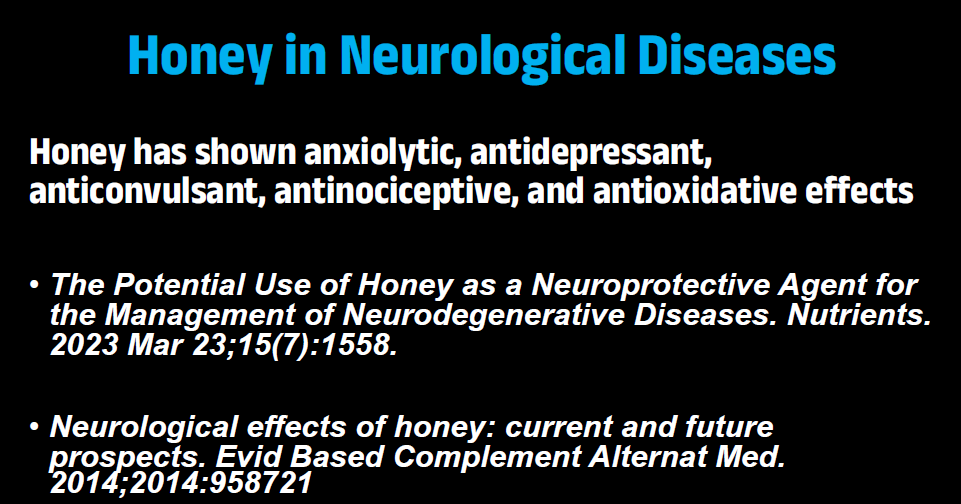
If glucose is managed properly, these neurological disorders can be cured, and honey can do this.
If a patient has depression, honey can bring him out of depression as well. That is, for any brain-related problem, honey can be a powerful tool. Whether it is dementia, Alzheimer’s, Parkinson’s, any other neurological disorder, depression, or anxiety, honey can be very useful in treating them. You may call honey a brain tonic.
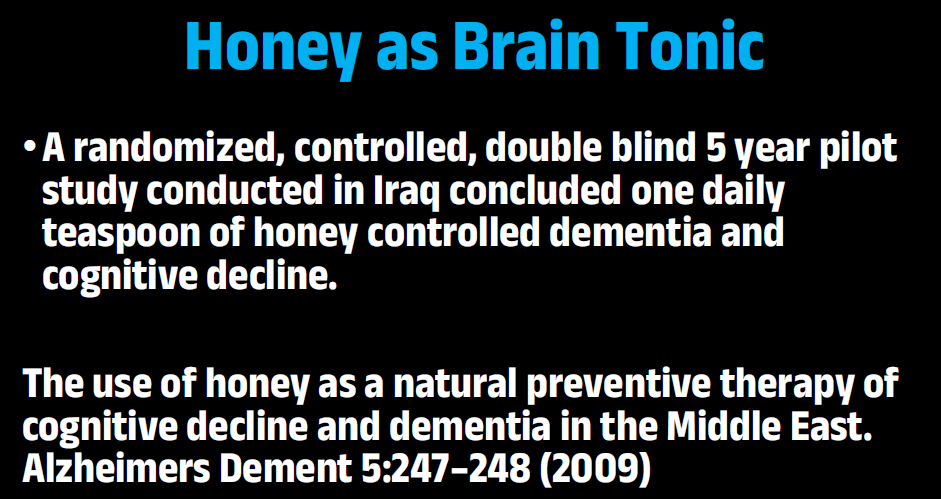
A five-year double-blind pilot study on this was conducted in Iraq, which is very interesting. A double-blind study may be called the most authentic kind of trial. In it, there are two groups in the trial: a control group and an experimental group. Even the people conducting the trial did not know which group was which; this is called double-blind.
In this double-blind trial, it was observed that when honey was given to patients with dementia or mental disorders, they began to recover. This is a very interesting trial. If you have time, you should read this research paper.
Brain-related problems, such as autism and ADHD, are seen very frequently in young children nowadays. One in every 10 children is affected by ADHD, and one in every 100 by autism. If we give such children raw honey, pure honey, you will observe an improvement in them.
Honey improves sexual health and fertility
You might have noticed that, since 2021, it has become very difficult to conceive children. Couples try for many years and still, in many instances, they are unable to have a child.
The number of IVF clinics has grown six to ten times over what existed in 2020 or earlier, within the past five to six years. Step out in any market, and you will find an IVF clinic or two. Moreover, earlier, these IVF Clinics used to be empty. Nowadays, they are flooded with childless couples. What is the reason behind this sudden change? It is because having children has itself become a challenge. This is especially so for those who took the COVID vaccines.
You must be wondering how this subject fits into the current topic of the benefits of honey. The answer to this lies in the sexual health benefits that raw wild honey provides.
For mothers who wish to conceive, or for men with sexual dysfunction, such as erectile dysfunction or low testosterone, honey can play a potent role in their recovery.
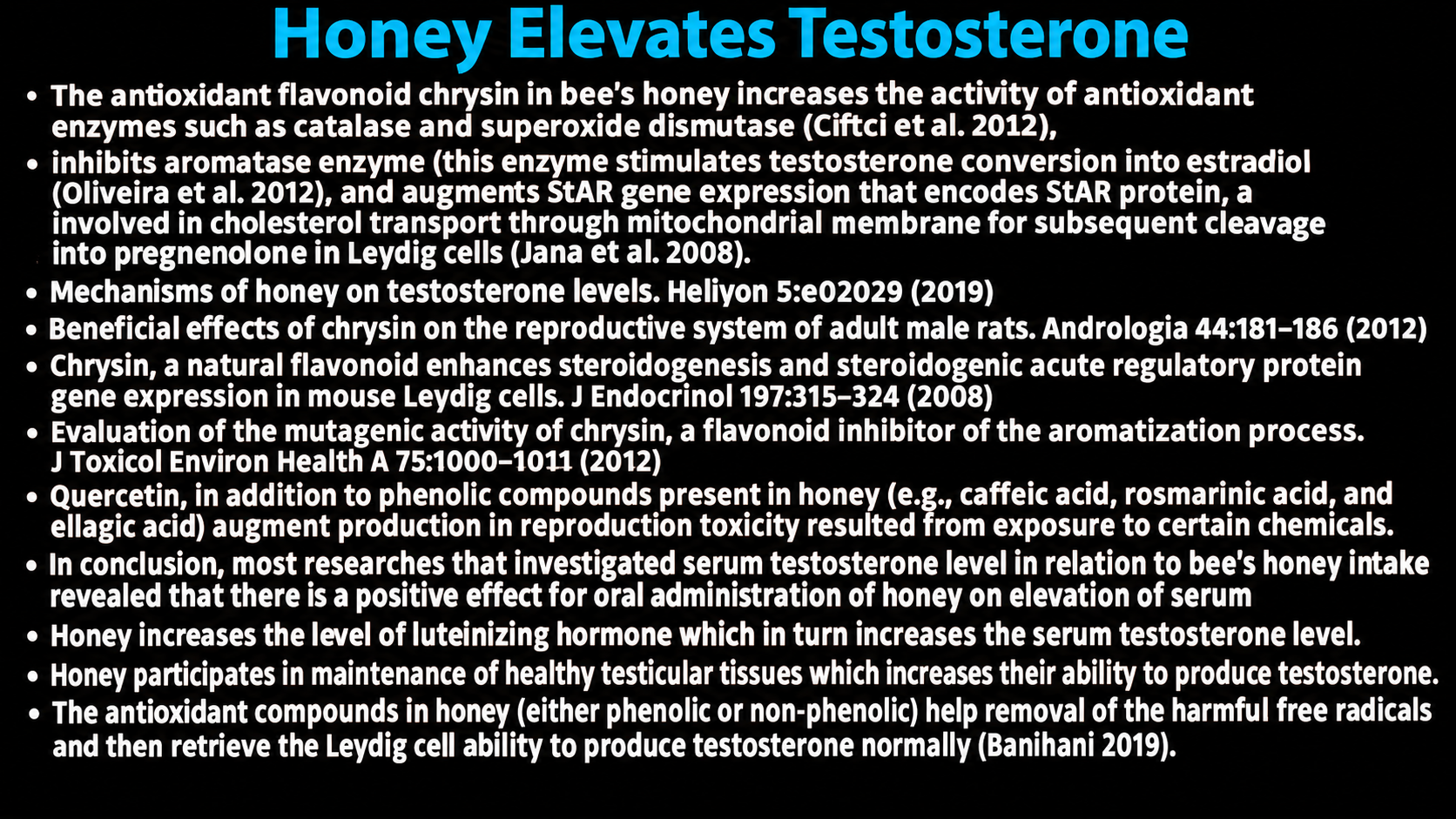
Honey elevates testosterone, and you can see the research papers on this. There is an abundance of research papers across the world that prove the same. These papers establish that honey plays a very important role in strengthening sexual health and increasing human fertility.
Furthermore, you can understand the potency of raw wild honey from the term “honeymoon“. Honeymoon usually refers to the period immediately after marriage, or when a couple goes on a vacation after their marriage.
You associate it with this media-fed imagery, but have you ever wondered why the word “honey” appears in it? Couples do not carry honey along, nor do they go to eat honey, nor do they gift honey. The story behind this term is centuries old. It came from ancient Teutonic custom.

Thousands of years ago, newlywed couples in Northern Europe were made to drink mead or honey wine for the 30 days immediately after their marriage. Both the husband and wife had to consume this special drink made from honey for one whole month, every day without fail.
This is because it has been known since ancient times that honey increases fertility. Honey reduces and cures the problem of erectile dysfunction in men. What was known in ancient times is now being proven today. Honey has a very important role, especially for patients with infertility and erectile dysfunction.
Use of Honey in sports activities
Not just people with sexual health issues, but any sick person should consume honey as a medicine. This is because it helps in maintaining health. There is a meta-analysis from 2014 that proves that it is excellent for maintaining bone health. A meta-analysis means the cumulative result of all the trials conducted across the world on honey and bone health. This analysis can be termed the parent of all trials.
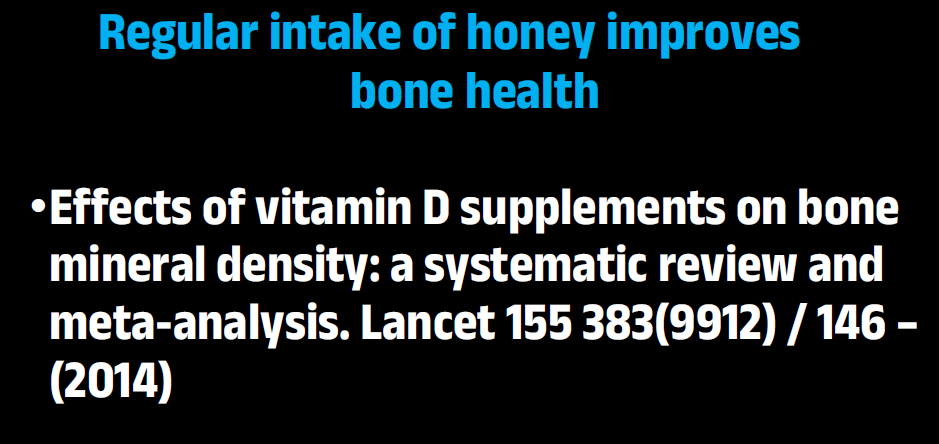
This meta-analysis proved that honey is highly beneficial in strengthening the bones. It is also highly beneficial for sport. The sports aspect of honey usage is very interesting: this research paper is from 2004.
A trial was conducted on 64-kilometre cycling. Two groups of 32 cyclists each were formed, and one group was given honey midway. Those who watch sports know that athletes stop midway to drink glucose and water. One group was given the standard glucose, and the other group was given honey midway.
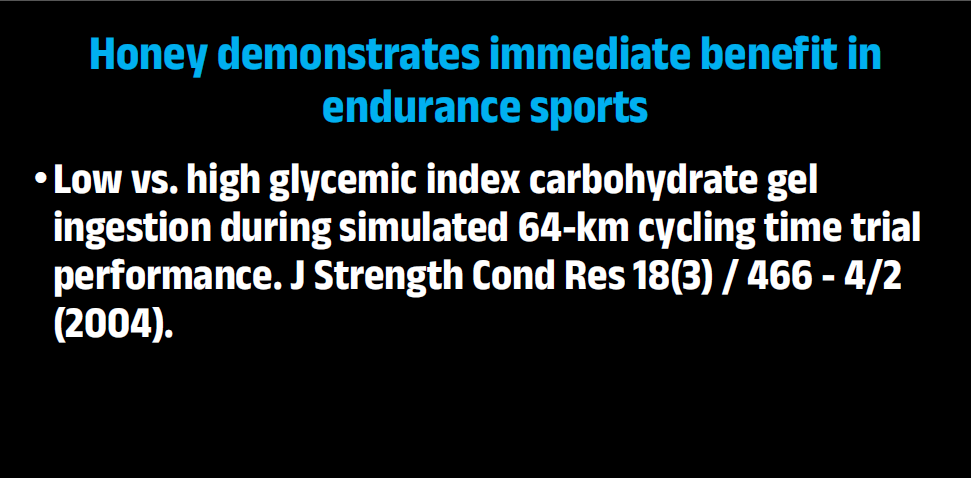
The group given honey was clearly found to perform considerably better than the other group. This research paper states that if you are in endurance sports and wish to increase your endurance, honey is beneficial even in the short term. It will give you immediate energy. It is not that you must eat it for a few days before it takes effect; it works at that very moment. Compared with normal energy drinks, its result is firm.
How much raw wild honey to consume?
When it comes to the dosage of honey, it differs from one condition to another. Consider a need that is not strictly medical but is a condition nonetheless: sustaining stamina. For example, if you are participating in a marathon, then would you not take honey along the way instead of glucose?
So, in what quantity is the raw wild honey to be consumed?
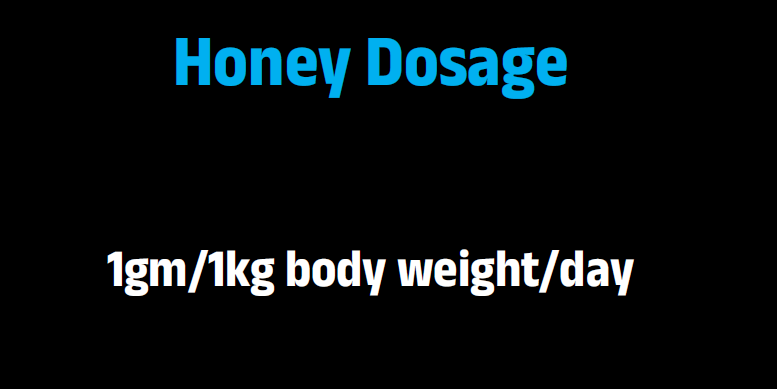
It is one gram per kilogram of body weight. If your body weight is 70 kg, then you will need 70 grams of the honey. To see how much that is, you can use a measuring spoon. For instance, you have a spoon with the mark of 20 grams then you will need at least three spoonfuls. You have to consume three spoonfuls when you need endurance, for example, when you are engaging in an activity that includes extreme physical exertion. While running, you can take these three spoonfuls at intervals midway.
How much to consume in case of asthma?
The above-mentioned dose is meant for those who wish to cure a disease, and it applies to every example discussed so far as well as those yet to come. For instance, a person suffering from asthma who wants to be cured of it should consume raw, pure honey. It should be noted that the emphasis is on the intake of raw, pure honey, not just any honey. The patient should take one spoonful each in the morning, afternoon, and evening.

Patients who follow this routine will most likely find that their dependence on the inhaler gradually decreases, and are likely to find relief very quickly. Once the asthma is completely cured, the patient may either stop taking the honey or continue on a maintenance dose, as he or she prefers.
How much is the maintenance dose?
The curative dose is three spoonfuls, while the maintenance dose is one-third of that. For example, if a person takes 60 grams as a curative dose, then they should take only 20 grams as their maintenance dose. In effect, a person takes a maintenance dose for life and the curative dose until cured. This holds whether honey is used for asthma or for heart disease.
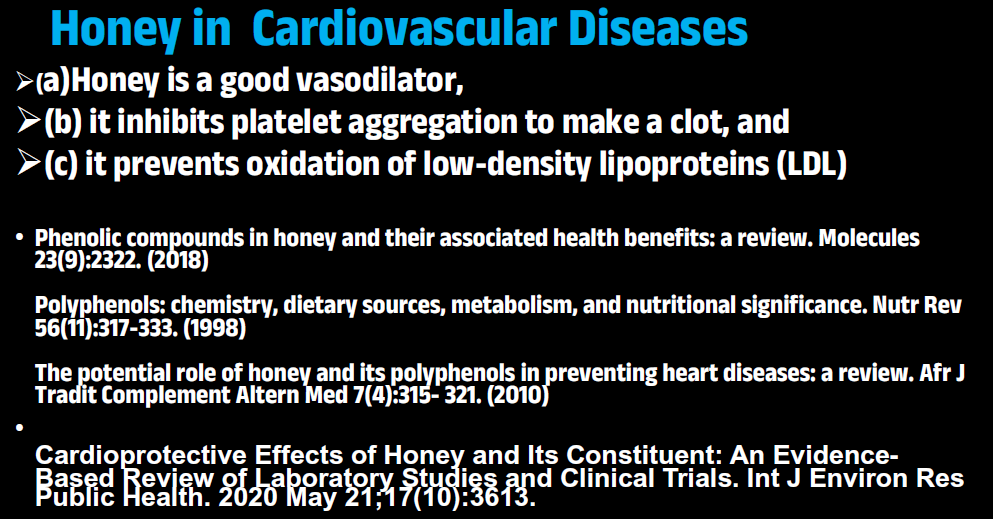
Moreover, honey acts, in a way, as a blood thinner. When a doctor prescribes aspirin, they usually ask the patients to take it throughout their life. They also prescribe a blood thinner so that your blood does not thicken and clot. But why should one take synthetic medicines when they have a natural remedy, provided by nature itself, to solve their issue: Raw Wild Honey.
Just take one spoonful every day, which is way better than any aspirin.
So you need to ask yourselves this question: Would you prefer the medicine provided by God over a medicine made by man?
And medicine made by God has no side effects. On the contrary, it also cures diabetes, controls blood pressure, improves cholesterol, bone health, and sexual health, and regulates your blood appropriately. Aspirin, on the other hand, performs only one function and comes with its own residual side effects.
Honey for Heart: For the heart as well, raw wild honey significantly lowers your bad cholesterol and raises your good cholesterol. Honey plays this crucial role in relation to the heart.
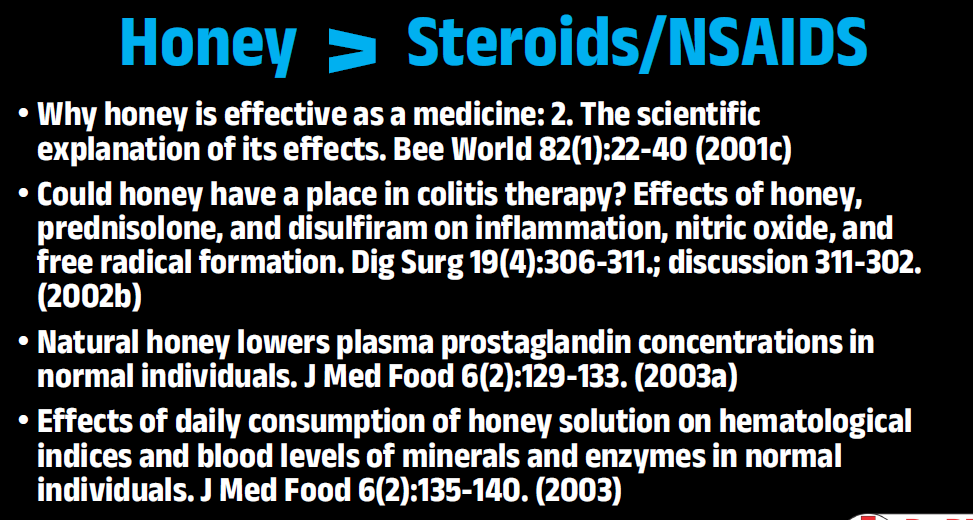
Honey w.r.t. Steroids and NSAIDS: Doctors often prescribe steroids and non-steroidal anti-inflammatory drugs for acute pain. Whether it is a gout attack, arthritic pain, shoulder pain, or joint pain, the doctor prescribes a steroid or a non-steroidal anti-inflammatory drug. Firstly, these have many side effects. Second, if you stop the medication, the pain increases further.
That is the unspoken reality of these drugs.
According to the above-mentioned research paper, honey is more powerful than steroids and non-steroidal anti-inflammatory drugs. It is more potent in curing and in taking effect, and it also has no side effects. So when a doctor prescribes a steroid for you, keep in mind that the doctor is telling you, “Take honey three times a day.”
And you can prepare this honey-based painkiller at home, which will be a better alternative to steroids or non-steroidal anti-inflammatory drugs.
Painkiller preparation
Many of you might have pain in the joints, body pain, or shoulder pain, or suffer gout attacks. In these times, you automatically go to the doctor, and they hand out steroids and NSAIDS to you. And due to lack of knowledge, you are left to take them. But there is a better alternative to these unnecessary medicines—honey-based preparation. You just have to follow these simple steps to prepare this natural medication.

Step 1: Take one spoonful, that is, 20 grams, of honey.
Step 2: For every 20 grams of honey, add one gram of coffee powder.
The ratio is one gram of coffee powder to 20 grams of honey, that is, 20:1.
Step 3: Mix the honey and the coffee together thoroughly, and take all of it in one go.
When the ingredients are mixed, a third substance is formed, and this is the painkiller. This constitutes one dose. One dose is generally sufficient, but for faster pain relief, up to three doses may be taken, and there is no harm in doing so. Along with the relief, the person also gains the benefits of honey and avoids the need for steroids. Moreover, this mixture tastes good and subsides the pain in an hour’s time.
Note: Please keep such a weighing machine at home so that you can measure the quantity of honey when you take it.
To appreciate the full greatness of honey, one needs only look at its clinical trials, which cover a wide range of conditions. These include diabetic diet and wound healing, sleeplessness (where a spoonful before bedtime is said to bring sleep), heart disease, type 1 diabetes, lung cancer, and the side effects of radiotherapy. They also extend to hepatitis A, as well as cough, cold, and other respiratory disorders.
Here is a list of clinical trials that prove these claims.
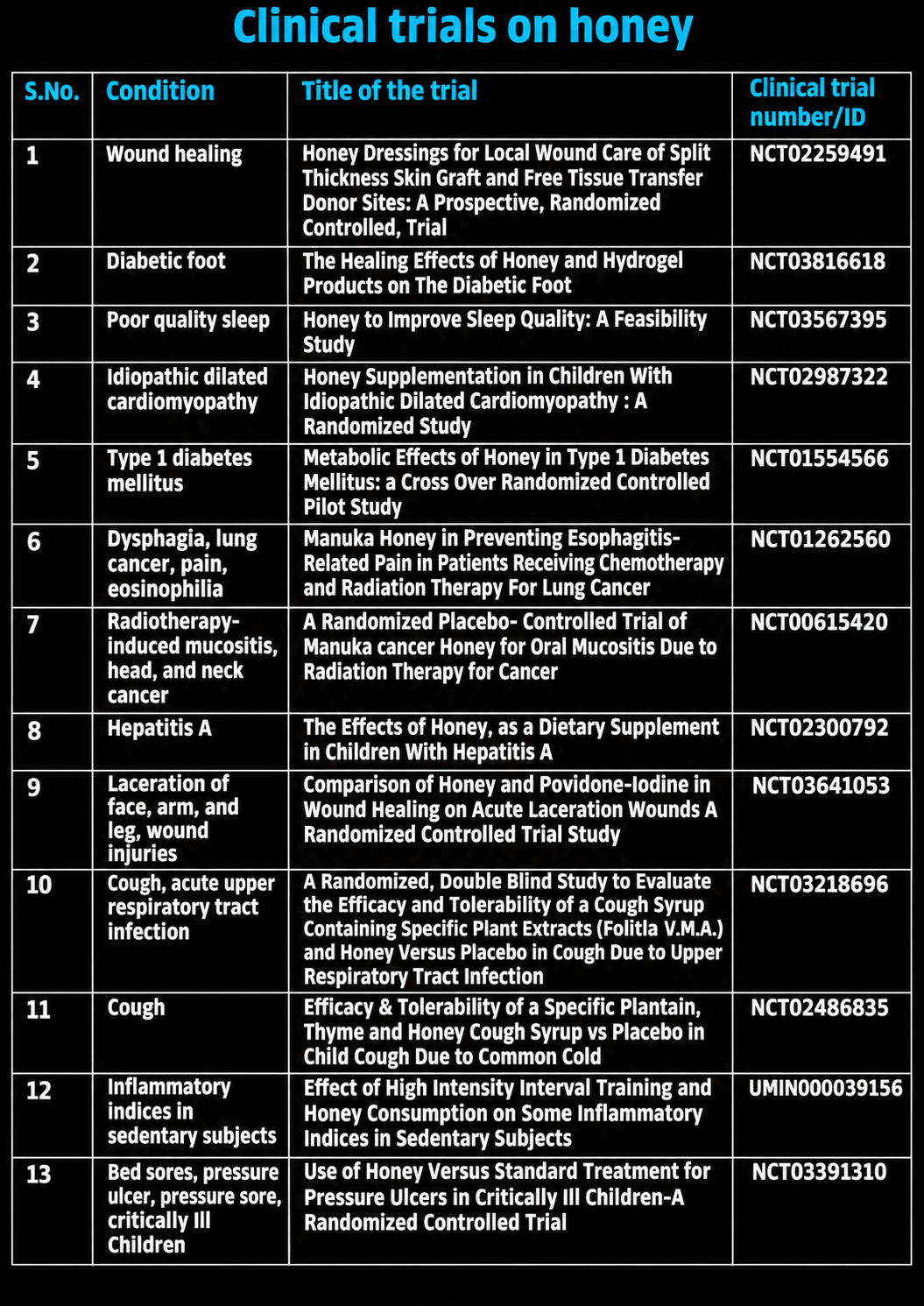
It is truly astounding to see so much evidence and research papers available that make it clear that honey is not just a medicine but an entire hospital.
After understanding and viewing so much proof, if you are convinced of the benefits of honey, then you might feel the urge to buy one bottle for yourself. Most of you will go to a shop, pick up some honey, and begin using it, instead of checking the authenticity of the honey that you have bought. Then you will say that these claims are baseless.
This happens because the honey available in the market is honey in name only, not in effect. Bottles sold as honey are often adulterated with high fructose corn syrup, rice syrup, or fructose and inulin syrup. One or more of these ingredients is added to increase the volume, and the product is then sold as honey.
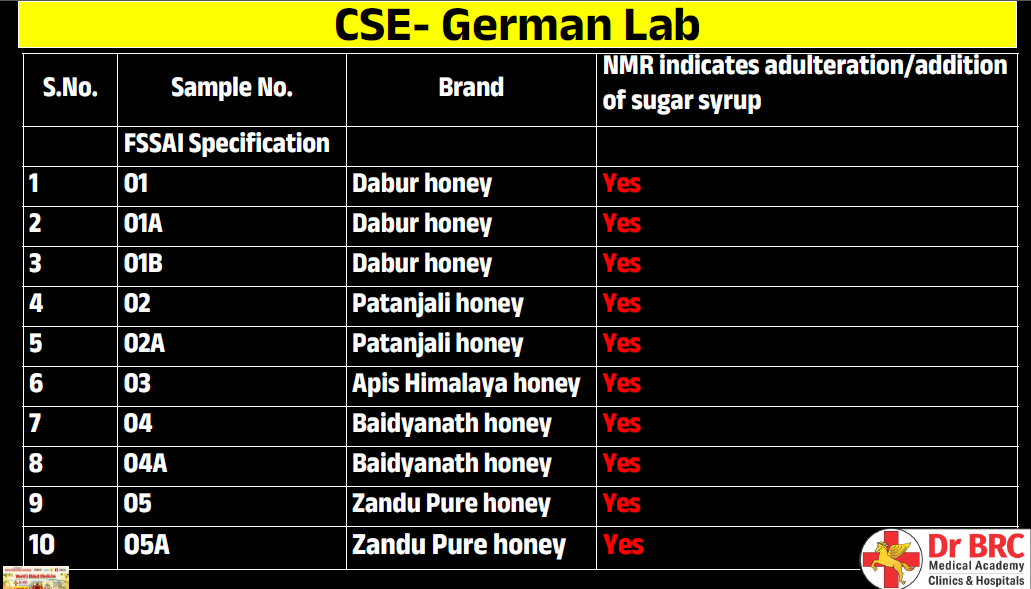
To provide firm evidence, we have curated a study conducted by the Centre for Science and Environment, dated December 2020, which examined whether major brands in India sell adulterated honey. Interestingly, the Centre had to send honey from brands such as Dabur, Patanjali, Baidyanath and Zandu to a laboratory in Germany.

The reason is that India, at the time, lacked the facility to test whether honey is pure. When such a test cannot be conducted, there is no way to prove whether honey is genuine, and so these products continue to be sold in shops. However, once the samples were sent to Germany, the question was asked whether sugar syrup had been added to them. Not so surprisingly, they found that it had been added to the honey of all those brands.
We ourselves conducted an experiment at our facility that checks the viscosity of honey. It is not that the viscosity test will tell you with 100 per cent certainty, but it will give you a fair idea.
Let’s first understand how this test was conducted. We took samples of 4 honey brands: Dabur, Patanjali, Dr BRC Raw Wild Honey, and Safola. The honey of these four brands was taken in four small glass containers, and after the honey settled at the base of these containers, they were all turned upside down.
When the container is inverted, a stream flows from the centre, from top to bottom. What must be observed is how long the stream takes to travel down. The longer it continues to flow, the more original the honey is considered to be. This is the rule.
We also used a stopwatch to keep track of each type of honey. We clicked start at the point when the containers were turned upside down and stopped the timer when the stream of honey stops falling.
We began by testing Dabur honey. It stopped at 24 seconds.
Next came the turn of Patanjali honey. It did a little better and stopped at 53 seconds.
Third came Sfola honey. Its stream stopped falling at 32 seconds.
In the end, Dr BRC Raw Wild Honey was put to the test. And in its case, we stopped the timer at 1 minute and 17 seconds. This honey had the best viscosity as compared to the brands which you find out there in the market. Thus, we can proudly claim that its viscosity speaks volumes for itself about its originality.
NOTE: The viscosity of honey is also influenced by the temperature of the room. The viscosity of honey increases comparatively in the winters.
Now comes another important question, which is: despite being so powerful, why has honey stopped having an effect?
The answer is that what is sold in the market is not honey at all, but an adulterated product. Take, for example, a Patanjali honey bottle. On the bottle you can see the word “honey,” and below that, in black, there is another line that reads “Not to be consumed by diabetic patients.”
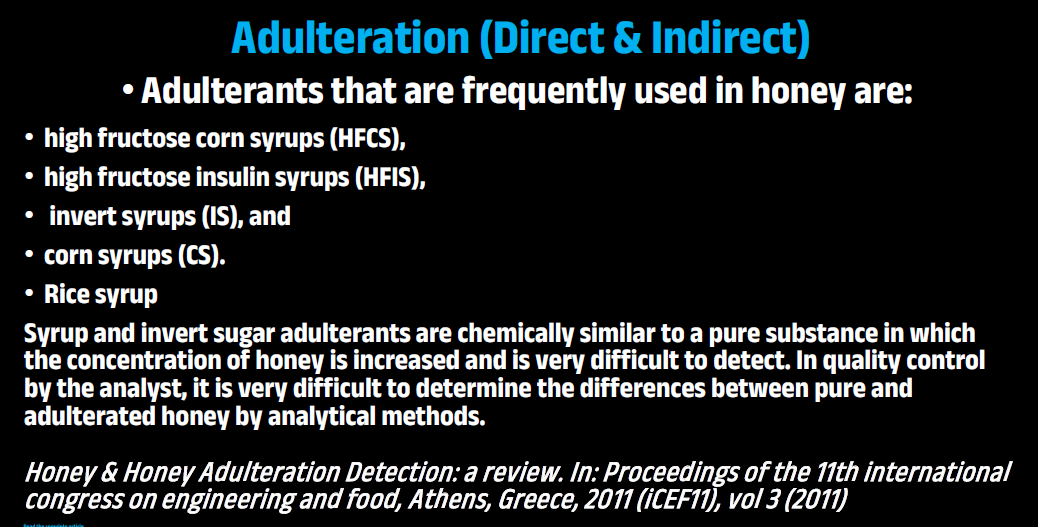
It is written on the bottle itself, not by us, which means that whoever takes it will see a rise in blood sugar because of the syrup inside. This gives the second identifier: if the honey you take raises your blood sugar, it is adulterated, and if your blood sugar falls, it is not. It is very simple. So you do have a medicine given by God, but it is not in what the market sells as honey.
Where will you find it then? Perhaps there is a villager near your home who collects honey, and you can obtain it directly from them, or you can buy Dr BRC Raw Wild Honey, which has been sourced directly from the honeycombs, and no human hands touch this honey in the process of collecting and packing it in bottles.
Dr BRC Raw Wild Honey: World’s Oldest Medicine Reintroduced
Long before laboratories and pharmacies, people reached for honey when they were hurt or unwell. Honey is among the few natural substances trusted as a remedy by almost every major civilization, and it is the only common food that, kept sealed, essentially never spoils. Modern science is now beginning to explain why humanity has trusted it for so long.
A Substance That Does Not Spoil
Honey’s first remarkable quality is its endurance. Archaeologists have recovered honey residue from bronze jars in a shrine at Paestum in Italy, dating to about 530-510 BCE. Honey sealed away for roughly 2,500 years is still recognizable as honey, and pure honey of this kind remains edible. Few natural substances can make such a claim.
The reason lies in honey’s composition. It is rich in sugar and low in water, so bacteria and fungi that land in it lose their moisture and cannot multiply. Bees also add an enzyme that gradually produces small amounts of hydrogen peroxide, and honey is naturally acidic. Together, these features make it a hostile place for microbes. Ancient people did not know the chemistry, but they noticed the result: a food that stayed fresh, and a sweetness that seemed to protect against decay.
Ancient Roots
The relationship between humans and honey is older than writing. A cave painting found in Bicorp, Spain, in 1921 shows a honey hunter climbing a tree to harvest a wild hive, and it is dated to roughly 8000 BCE. Humans, in other words, have been collecting honey for about ten thousand years.
The earliest medical uses appear in the great civilizations. Ancient Egyptians applied honey to wounds, and it appears in their medical texts as a healing agent. In India, the Rigveda, composed roughly four thousand years ago and among the oldest scriptures in the world, celebrates honey as a remedy for injuries. Later Ayurvedic texts such as the Charaka Samhita, Sushruta Samhita and Ashtanga Hridaya describe honey for cleansing wounds, easing cough and treating skin and digestive complaints. They also warn against heating honey, a caution that echoes in modern food science.
What is striking is how closely these traditions agree. Whether in Indian, Egyptian, Greek or Islamic medicine, honey was recommended for wounds, for digestion and for coughs. Societies separated by oceans and centuries arrived at the same conclusion independently, which suggests that their observations rested on real experience rather than on myth.
Honey in Faith and Custom
Honey also holds a sacred place across faiths. The Qur’an devotes a chapter to the honey bee, Al-Nahl, and describes honey as a drink “in which there is healing for people” (Surah An-Nahl, verses 68-69). The Book of Proverbs compares gracious words to a honeycomb, “sweetness to the soul and health to the body.” Unani medicine used honey as a nutritive agent and as an antibacterial and anti-inflammatory remedy. Honey was even woven into custom: the word “honeymoon” is linked to Northern European traditions of giving newlyweds honey wine.
These references matter for a simple reason. Religious and medical texts were the records of their age, and the fact that honey appears in so many of them shows how deeply it was woven into the daily life and health care of ordinary people across many cultures and centuries.
How much Honey should be consumed?
The ideal quantity of daily consumption of honey can be calculated using this formula:
1 gram/ 1 kg bodyweight/ day
For someone who weighs 70 kg, that comes to 70 grams. To measure this, a standard tablespoon, the largest of the measuring spoons, holds roughly 20 grams when filled to the brim, so at least three spoonfuls would be needed. For endurance activities such as running, these three spoonfuls would be taken in portions during the run. This is considered a heavy dose, meant for immediate or quick results, or for curative purposes. For a cure or an immediate effect, the dose is one gram per kilogram of body weight per day.
Honey as a painkiller: Honey can be used at home as an alternative to steroids and non-steroidal anti-inflammatory drugs for pain. This is for people with joint pain, body pain, shoulder pain, or gout attacks who would normally be prescribed steroids by a doctor. To prepare a medicine using honey to treat your pain, mix one tablespoon of honey (about 20 grams) with one gram of coffee powder, a ratio of 20:1. The mixture counts as one dose of the “painkiller.” Usually, one such dose is enough, but three doses can be taken for faster relief.
From Universal Remedy to Forgotten Cure
Honey’s reputation lasted into modern times. During the First World War, physicians in several countries, including Russia, reportedly used honey to prevent infection and speed the healing of soldiers’ wounds. For thousands of years it had been one of the most widely used treatments for injury.
Then the age of antibiotics arrived. From the early twentieth century, scientists discovered drugs that could kill bacteria directly, and these medicines were fast, powerful and standardised. Honey, a traditional remedy that varied from one hive to another, was gradually pushed to the margins. Today most people think of it as a kitchen sweetener or a home remedy for a sore throat, and few picture it in a hospital.
The Return of an Old Remedy
The story did not end there. Bacteria evolve, and over decades many have become resistant to antibiotics that once cured them. Antibiotic resistance is now recognised as one of the biggest threats to global health, and it has sent researchers back to older ideas. Honey has attracted serious attention because it attacks microbes in several ways at once, which makes it hard for bacteria to adapt to. Laboratory studies show that manuka honey from New Zealand, which contains a compound called methylglyoxal, can inhibit even antibiotic-resistant bacteria such as MRSA.
How Honey Helps a Wound Heal
The best-supported use of honey today is in wound care, and the reasons are easy to understand. A wound heals slowly when bacteria keep attacking it from outside. A layer of honey acts as a physical barrier between the injury and the environment. It also keeps the wound moist, which helps new skin to grow, and its thick texture stops dressings from sticking.
Beyond the barrier, honey fights infection with its sugar concentration, acidity, and hydrogen peroxide. Studies also describe an anti-inflammatory effect, since a wound heals only once inflammation settles. Researchers have further reported that honey helps clear dead tissue from the wound and may encourage the growth of new blood vessels and tissue, although this area is still being studied.
Medical-grade honey dressings are now used for burns, ulcers, pressure sores and infected wounds, and several clinical studies have found them to be affordable compared with some standard dressings. Honey is also a well-established soothing remedy for coughs and sore throats, an application that matches the advice of the ancient Ayurvedic physicians. Research continues into its effects on gut health, inflammation and antioxidant activity.
Propaganda against Honey
Even after possessing so many medicinal properties, the use of honey significantly dropped after the 1920s. The reason behind this decline is the introduction of antibiotics in the medical market. This new man-made medicine was marketed with such fervour that, over time, honey and its magical characteristics were wiped clean from the memories of the people across the globe.
One thing which is crucial and should be understood by the people who regularly take antibiotics is that, with time, the bacteria which are present in the environment and are infecting humans, causing various diseases, evolve and become resistant to the drugs they are treated with. This process is called mutation.
So, it won’t be wrong to conclude that these antibiotics cease to be useful in tackling infection and only worsen the body of the patient consuming these meds with their residual effects.
Still, people keep on using this drug due to a lack of proper knowledge and also because their memories of honey being a more effective alternative while dealing with infections have been wiped clean by the world-scale marketing campaigns of the pharmaceutical companies.
Dr BRC is on an initiative to remind the world of the medicinal properties of the golden nectar. He has recently launched Dr BRC Raw Wild Honey as a part of this initiative. Watch the entire launch event and understand how pure honey is procured and how its use can help in eliminating a variety of medical conditions.